How to Plan Your Dream Home: A Complete Guide
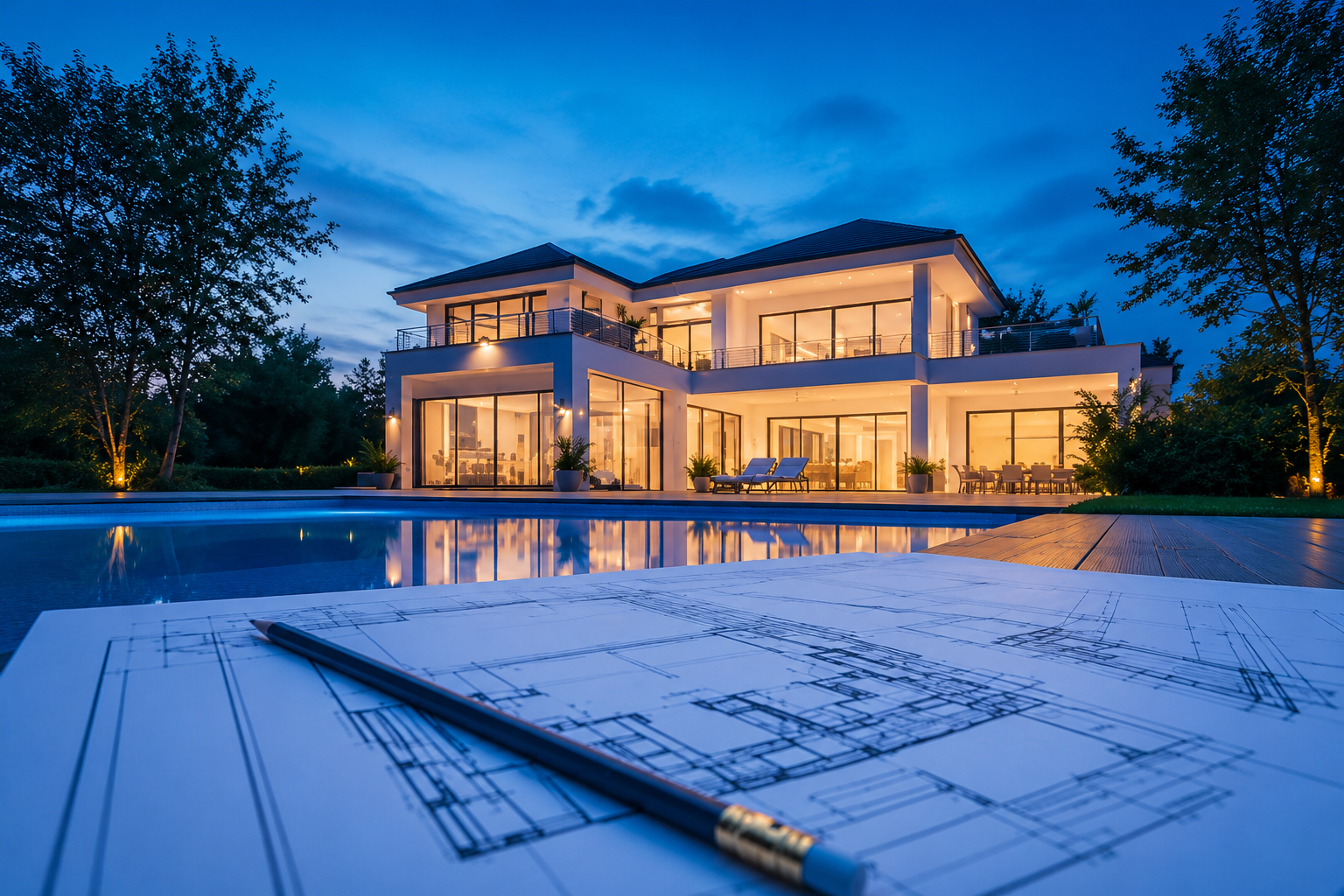
Building your dream home is one of the most important investments you will make. It is more than constructing a building—it is about creating a space that reflects your lifestyle, supports your family’s needs and remains comfortable for years to come.
However, a successful home begins long before construction starts.
From understanding your requirements and selecting the right design to planning your budget and choosing the right materials, every decision plays an important role in the final result.
At S&R Infra, we believe that thoughtful planning is the foundation of every successful home. Here are the key steps to consider when planning your dream home.
1. Start With Your Vision & Requirements
Every dream home begins with understanding what you and your family truly need.
Before discussing designs or construction, think about your lifestyle, daily routine and future requirements.
Things to Keep in Mind:
Number of bedrooms
Parking requirements
Home office or study
Pooja room
Garden, terrace or balcony
Storage requirements
Space for future expansion
A Practical Approach
A family may require a 3-bedroom bungalow today but plan to accommodate parents or children in the future. Planning an additional room or future expansion during the design stage can save significant time and cost later.
A clear understanding of your requirements helps create a home that is personalised, practical and designed around your lifestyle.
2. Understand Your Plot Before Designing
Every plot is different, and the design of your home should respond to its actual site conditions.
Before finalising the design, it is important to understand:
Things to Keep in Mind
Plot dimensions
Road access
Plot orientation
Natural light and ventilation
Surrounding buildings
Ground conditions
Available views and privacy
A Practical Approach
The location of the entrance, windows and balconies can be planned according to sunlight, ventilation and privacy. A well-positioned living area can receive better natural light, while bedrooms can be planned in quieter and more private areas.
Understanding the plot before designing helps create a home that is comfortable, practical and suitable for its surroundings.
3. Create a Realistic Budget
One of the most important parts of planning a dream home is creating a realistic budget.
Your budget should not only include the main construction cost. It is important to consider the complete project.
This may include:
Architectural and design services
Civil construction
Structural work
Electrical and plumbing
Flooring and finishes
Doors and windows
Kitchen and wardrobes
Interiors and furniture
Landscaping
Boundary wall and external works
Approvals and professional fees
A Practical Approach
A homeowner may plan the budget only for construction and later realise that interiors, landscaping and external works require additional investment.
Planning these costs from the beginning helps avoid financial surprises during the project.
It is also advisable to keep a contingency amount for changes, upgrades or unforeseen site requirements.
4. Focus on Functional Space Planning
A beautiful home should not only look good—it should also work comfortably for everyday living.
Good space planning considers how people move, use and experience different areas of the home.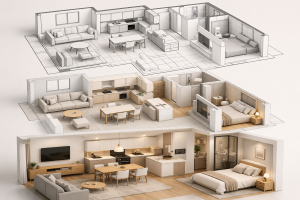
Things to Keep in Mind
Room sizes
Furniture placement
Walking space
Storage
Privacy
Accessibility
Natural light and ventilation
A Practical Approach
A kitchen may look premium, but if there is insufficient counter space or storage, it can become inconvenient for daily use.
Similarly, a living room should have enough space for comfortable seating and movement without feeling overcrowded.
Thoughtful space planning ensures that every part of your home is both beautiful and practical.
5. Choose the Right Design, Materials & Future Features
Your home should reflect your personality while remaining practical for long-term use.
From modern and minimalist designs to contemporary or traditional styles, choosing the right design direction helps create a consistent identity throughout the home.
At the same time, materials should be selected based on performance as well as appearance.
Things to Keep in Mind
Durability
Maintenance
Climate suitability
Safety
Water and scratch resistance
Long-term value
A Practical Approach
A flooring material may look beautiful in a showroom, but the same material may not be suitable for areas with heavy use or moisture exposure.
You can also plan for future features such as smart lighting, security systems, automated curtains and EV charging provisions during the construction stage.
Planning for the future makes it easier to upgrade your home as your requirements change.
6. Choose the Right Team & Finalise the Plan Before Construction
A dream home involves multiple stages, including design, planning, construction and finishing.
Working with the right professional team helps ensure better coordination between these stages.
Before construction begins, important decisions should ideally be finalized.
Things to Keep in Mind
Floor plans
Structural planning
Electrical layouts
Plumbing layouts
Kitchen and bathroom planning
Door and window positions
Major material selections
A Practical Approach
Changing the location of a bathroom, electrical point or kitchen layout after construction has progressed can lead to additional cost, delays and rework.
Finalizing the major details before construction helps the project move more smoothly and efficiently.
How S&R Infra Helps You Plan Your Dream Home
At S&R Infra, we understand that building a home is a significant personal and financial investment.
Our approach focuses on bringing together:
Understanding your requirements
Thoughtful design planning
Functional space planning
Budget and material guidance
Detailed coordination
Quality construction and execution
From the first discussion to the final handover, we aim to create a smoother and more organised journey for every homeowner.
Conclusion
Planning your dream home is not about making every decision at once. It is about taking the right decisions at the right stage.
A clear vision, realistic budget, functional planning, suitable materials and proper coordination can make a significant difference to the final result.
Your dream home should not simply follow a trend. It should reflect your lifestyle, support your family’s needs and be designed with the future in mind.
A well-planned home is not just beautiful—it is comfortable, functional and built to grow with you.
Have a dream home in mind? Let’s start planning it together.
At S&R Infra, we help transform your ideas into thoughtfully planned and beautifully executed spaces—from the first concept to construction and final handover.